
If your dog is constantly scratching, licking, or showing signs of discomfort, allergies might be the culprit. Allergies in dogs can stem from environmental factors, food sensitivities, or even seasonal changes, leaving your furry friend with itchy skin, red patches, or ear infections.
The good news? With the right dog allergy supplements, dietary adjustments, and care, you can help your pup find relief and restore their comfort. In this guide, we’ll discuss common causes of allergies, the best anti-allergy supplements, and actionable tips for dog allergy relief.
Common Causes of Allergies in Dogs
Before diving into solutions, it’s important to understand what might be causing your dog’s allergies. Here are the most common triggers:
1. Environmental Allergies
These are caused by allergens like pollen, mold, dust mites, or grass. Dogs with environmental allergies often experience seasonal symptoms such as scratching, sneezing, or paw licking.
2. Food Allergies
Certain ingredients in your dog’s diet, like beef, chicken, dairy, or grains, can trigger allergic reactions. Symptoms often include itchy skin, ear infections, or gastrointestinal distress.
3. Flea Allergies
Some dogs are hypersensitive to flea saliva, leading to intense itching and hair loss even from a single flea bite.
4. Contact Allergies
Direct contact with irritants like cleaning products, certain fabrics, or plants can cause localized itching or redness.
Signs Your Dog May Need Allergy Relief
Dogs with allergies often show symptoms such as:
- Excessive scratching or licking.
- Red, inflamed skin or hot spots.
- Hair loss or bald patches.
- Chronic ear infections.
- Watery eyes or sneezing.
- Digestive issues like vomiting or diarrhea (in the case of food allergies).
If your dog exhibits these symptoms, it’s time to explore supplements for itchy skin and other allergy relief solutions.
How Dog Allergy Supplements Can Help
One of the most effective ways to manage allergies is by incorporating a high-quality dog allergy supplement into your pup’s routine. These supplements are designed to target the root causes of allergies and provide relief from itching, inflammation, and irritation.
Key Ingredients to Look For in Dog Allergy Supplements
When choosing the best anti-allergy supplements, look for these powerful, natural ingredients:
Omega-3 Fatty Acids:
- Found in fish oil, omega-3s help reduce inflammation, soothe itchy skin, and promote a healthy coat.
Quercetin:
- Known as “nature’s Benadryl,” quercetin is a natural antihistamine that helps reduce allergic reactions.
Probiotics:
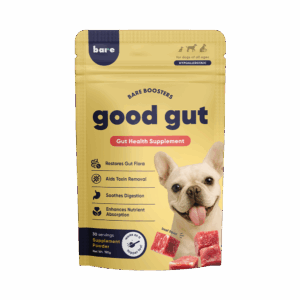
- A healthy gut is essential for a strong immune system. Probiotics can help manage food allergies and improve overall digestion.
Colostrum:
- This ingredient supports immune health and can help reduce symptoms of environmental allergies.
Turmeric (Curcumin):
- A natural anti-inflammatory, turmeric helps soothe irritated skin and reduce redness.
Vitamin E and Zinc:
- Both support skin repair and help reduce dryness or flakiness caused by allergies.
At BarePets, we offer a variety of premium allergy supplements packed with these beneficial ingredients to support your dog’s health.
Best Anti-Allergy Supplements for Dogs
Not all supplements are created equal, so it’s important to choose products specifically designed for dogs. Here are some types of dog allergy supplements to consider:
- Chewable Supplements: These are easy to administer and often come in flavors your dog will love.
- Liquid Formulas: Ideal for mixing into your dog’s food, liquid supplements are a convenient option.
- Powders: These can be sprinkled over your dog’s meals for a mess-free solution.
When selecting a supplement, ensure it’s made with high-quality, natural ingredients and has been tested for safety. Check out our shop for trusted options that pet parents love.
Additional Tips for Dog Allergy Relief
While supplements are a great starting point, a holistic approach to allergy management can provide even better results. Here are some additional strategies:
1. Switch to a Hypoallergenic Diet
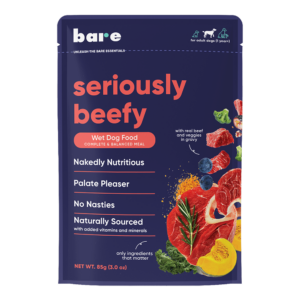
For dogs with food allergies, switching to a hypoallergenic or limited-ingredient diet can make a world of difference. Look for high-quality kibble or wet food free from common allergens like chicken, beef, or grains. Explore our BarePets shop for nutritious options tailored to sensitive dogs.
2. Regular Grooming
Bathing your dog with a soothing, hypoallergenic shampoo can wash away allergens and reduce itching. Regular brushing also helps remove loose fur and prevents mats that can irritate the skin.
3. Use Flea Preventatives
Flea allergies are a common cause of itching. Use vet-recommended flea preventatives to keep your dog protected year-round.
4. Keep Your Home Allergen-Free
Minimize environmental allergens by vacuuming frequently, using air purifiers, and washing your dog’s bedding regularly.
5. Work with Your Vet
If your dog’s allergies persist despite your efforts, consult your veterinarian. They can perform allergy tests and recommend additional treatments like antihistamines or allergy shots.
Real-Life Example: How Supplements Helped Max
Max, a four-year-old Golden Retriever, struggled with constant scratching and red patches on his belly. His owner tried changing shampoos and diets, but the symptoms persisted. After adding an omega-3-rich dog allergy supplement to Max’s routine, his itching reduced significantly within weeks, and his coat became shinier and healthier.
This is just one example of how the right supplement can transform your dog’s quality of life.
Final Thoughts: Help Your Dog Find Allergy Relief
Allergies can be tough on your dog—and on you as a pet parent. But with the right combination of supplements, diet, and care, you can provide lasting relief and improve your pup’s overall well-being.
Ready to take the first step? Visit our BarePets shop to explore the best anti-allergy supplements, hypoallergenic food options, and more.
Need more advice?
Check out additional resources on BarePets or reach out to our team for personalized recommendations.