Quantcast
Logo of Bare Pets

How to Stop My Dog from Digging: Tips and Solutions

If your dog has turned your backyard into a construction site, you’re not alone. Digging is a common behavior in dogs, but it can be frustrating for pet parents who want to keep their yard intact. The good news? With the right strategies, you can curb your dog’s digging habit and reclaim your outdoor space.

In this guide, we’ll explore why dogs dig, share practical tips on how to stop dogs from digging holes and provide backyard solutions for dogs to redirect their energy. We’ll also highlight the best deterrents for dog digging and effective training techniques to prevent digging altogether.

Why Do Dogs Dig?

To effectively address your dog’s digging behavior, it’s important to understand why they’re doing it. Dogs dig for a variety of reasons, including:

1. Instinctual Behavior

Digging is an instinct for many dogs, especially breeds like terriers and dachshunds that were bred to hunt burrowing animals.

2. Boredom or Excess Energy

If your dog isn’t getting enough mental or physical stimulation, they may dig as a way to entertain themselves or burn off excess energy.

3. Seeking Comfort

Dogs may dig to create a cool spot to lie down in hot weather or a cozy den-like hole in colder temperatures.

4. Hunting for Prey

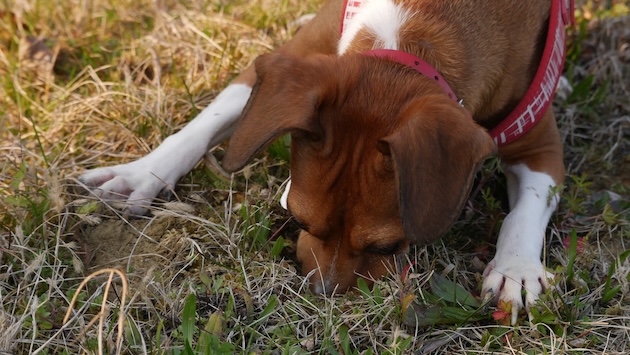
If your yard has moles, squirrels, or other small animals, your dog may dig in an attempt to catch them.

5. Anxiety or Stress

Stressful situations, such as separation anxiety or loud noises, can lead to compulsive digging as a coping mechanism.

6. Burying Treasures

Some dogs dig to bury toys, bones, or food as a way of safeguarding their “treasures.”

How to Stop Dogs from Digging Holes

Once you’ve identified the reason behind your dog’s digging, you can use targeted strategies to address the behavior. Here are some effective methods:

1. Provide Plenty of Exercise

A tired dog is far less likely to dig out of boredom. Regular walks, playtime, and interactive games can help burn off excess energy and reduce the urge to dig.

  • Pro Tip: Use high-quality treats or kibble from the BarePets Shop as rewards during playtime and training sessions.

2. Create a Designated Digging Zone

If your dog loves digging, consider giving them a designated area where they’re allowed to dig freely. Fill a sandbox or a specific section of your yard with loose soil and bury toys or treats to encourage them to dig there instead.

3. Supervise Outdoor Time

Keep an eye on your dog when they’re outside. If they start digging in an unwanted area, redirect their attention to a toy or bring them to their designated digging zone.

4. Address Underlying Issues

If anxiety or stress is causing your dog to dig, address the root cause. For example:

  • Provide a safe, quiet space for them during stressful events like thunderstorms.
  • Spend more time with your dog to ease separation anxiety.

5. Block Access to Tempting Areas

If your dog is digging in specific spots, such as near a fence or garden bed, use barriers like chicken wire, landscaping rocks, or garden fencing to block access.

Best Deterrents for Dog Digging

Using deterrents can help discourage your dog from digging in unwanted areas. Here are some options:

1. Citrus or Vinegar Spray

Dogs dislike the smell of citrus and vinegar. Spray these natural deterrents in areas where your dog tends to dig.

2. Motion-Activated Sprinklers

A motion-activated sprinkler can startle your dog and deter them from digging in specific areas.

3. Dog-Safe Repellents

There are several dog-safe repellents available that can be applied to your yard to discourage digging.

4. Provide Chew Toys or Puzzle Feeders

Sometimes, dogs dig because they’re bored. Offering chew toys or puzzle feeders can redirect their attention and satisfy their need for stimulation.

Training Techniques to Prevent Digging

Training your dog is one of the most effective ways to stop digging. Here are some techniques to try:

1. Teach the “Leave It” Command

Train your dog to respond to the “leave it” command so you can redirect their attention when they start digging. Reward them with treats or praise when they obey.

2. Use Positive Reinforcement

Reward your dog for good behavior, such as playing with toys instead of digging or relaxing in their designated spot.

3. Interrupt and Redirect

When you catch your dog digging, interrupt the behavior with a firm “no” or a clap, and then redirect them to a more appropriate activity.

4. Be Consistent

Consistency is key when training your dog. Make sure all family members are on the same page and enforce the same rules to avoid confusion.

Backyard Solutions for Dogs

Transforming your backyard into a dog-friendly space can help prevent digging and keep your pup entertained. Here are some ideas:

1. Install a Digging Pit

As mentioned earlier, a sandbox or digging pit can give your dog a designated area to satisfy their digging instincts.

2. Create Shady Resting Spots

Provide shaded areas with comfortable bedding where your dog can relax instead of digging to create their cool spot.

3. Add Interactive Features

Incorporate features like agility equipment, tunnels, or water fountains to keep your dog engaged and entertained.

4. Secure Your Yard

If your dog digs near fences, reinforce the base with buried chicken wire or concrete pavers to prevent escape attempts.

Final Thoughts: Reclaim Your Yard and Redirect Your Dog’s Digging Habit

Digging is a natural behavior for dogs, but it doesn’t have to ruin your yard. By understanding why dogs dig and using targeted strategies like training techniques, deterrents, and backyard solutions, you can effectively manage the behavior.

Remember to provide plenty of exercise, mental stimulation, and a balanced diet to keep your dog happy and healthy. For premium food options that support your dog’s overall well-being, visit the BarePets Shop.


Whether you’re addressing digging, training your dog, or looking for ways to improve their quality of life, Bare is here to help you every step of the way!
Real dogs deserve real ingredients.

Tags

How to Make Your Dog More Social: Tips for Building Confidence

Socializing your dog is one of the most important aspects of raising a happy, well-adjusted pet. Whether your dog is naturally shy or just hasn’t had many opportunities to interact with others, it’s never too late to help them become more social. With the right strategies, patience, and consistency, you can guide your dog toward being more comfortable in new situations, around other pets, and with unfamiliar people.

In this guide, we’ll share actionable dog socialization tips, explore how to introduce shy dogs to new people and discuss the best ways to improve dog confidence. We’ll also cover dog park etiquette to ensure smooth interactions in social settings.

Why Is Socialization Important for Dogs?

Socialization helps your dog feel safe and confident in a variety of environments. It reduces fear-based behaviors, improves their ability to handle new experiences, and strengthens the bond between you and your furry friend.

Without proper socialization, dogs may become anxious, aggressive, or overly timid in unfamiliar situations. But don’t worry—even adult dogs can learn to be more social with the right training and exposure.

Dog Socialization Tips

Here are some effective strategies to help your dog become more social:

1. Start Slowly and Gradually

If your dog is shy or nervous, don’t rush the process. Begin by exposing them to new experiences in a controlled and calm environment. For example:

  • Take short walks in quiet neighborhoods before venturing to busier areas.
  • Introduce one new person or dog at a time rather than overwhelming them with a crowd.

2. Use Positive Reinforcement

Reward your dog with treats, praise, or toys whenever they show calm and friendly behavior in social settings. This reinforces the idea that meeting new people or dogs is a positive experience.

  • Pro Tip: Stock up on high-quality treats or kibble from the BarePets Shop to make training sessions even more rewarding.

3. Expose Them to a Variety of Experiences

Socialization isn’t just about meeting other dogs—it’s about helping your dog feel comfortable in all kinds of situations.

  • Take them to different environments, such as parks, pet-friendly stores, or outdoor cafes.
  • Introduce them to people of varying ages, appearances, and behaviors (e.g., children, people wearing hats, or those using wheelchairs).

4. Leverage Playtime with Other Dogs

Playtime with other dogs can be an excellent way to improve your dog’s social skills. Arrange one-on-one playdates with a calm, well-socialized dog before progressing to group settings like dog parks.

Introducing Shy Dogs to New People

If your dog is naturally shy, introducing them to new people can be a delicate process. Here’s how to do it effectively:

1. Let Your Dog Set the Pace

Never force your dog to interact with someone if they’re not ready. Allow them to approach new people at their speed.

2. Ask Visitors to Ignore Your Dog at First

When introducing shy dogs to new people, ask visitors to avoid direct eye contact, sudden movements, or reaching out to pet your dog right away. Instead, let your dog sniff and observe from a distance.

3. Offer Treats Through Others

Have the new person offer your dog a treat to create a positive association. This simple gesture can help your dog feel more comfortable and build trust.

Training a Dog to Be Friendly

If your dog shows signs of fear or aggression, training is essential to help them become more friendly. Here are some tips:

1. Practice Basic Commands

Teach your dog basic commands like “sit,” “stay,” and “leave it.” These commands can help you manage their behavior in social situations.

2. Desensitize Them to Triggers

If your dog reacts negatively to specific triggers (e.g., other dogs, loud noises), gradually expose them to those triggers in a controlled way. For example, start at a distance and slowly decrease the space over time while rewarding calm behavior.

3. Work with a Professional Trainer

If your dog struggles with severe fear or aggression, consider working with a professional trainer or behaviorist. They can provide tailored guidance to address your dog’s specific needs.

Dog Park Etiquette

Dog parks can be a fantastic place for socialization, but following proper etiquette is crucial to ensure a positive experience for everyone.

1. Assess Your Dog’s Readiness

Before heading to the dog park, make sure your dog is comfortable around other dogs and responds well to basic commands.

2. Monitor Your Dog’s Behavior

Keep a close eye on your dog’s interactions to ensure they’re playing appropriately. If your dog becomes overly rough or shows signs of fear, it’s time to take a break.

3. Respect Other Dogs and Owners

Always clean up after your dog, and be mindful of other dogs’ boundaries. Not all dogs enjoy rough play, so it’s important to respect their space.

Best Ways to Improve Dog Confidence

Building your dog’s confidence is key to helping them become more social. Here are some strategies:

1. Encourage Exploration

Allow your dog to explore new environments at their own pace. This helps them build confidence and reduces fear of the unknown.

2. Teach New Skills

Training your dog to learn new tricks or commands can boost their confidence. The sense of accomplishment they feel after mastering a skill will carry over into other areas of their life.

3. Provide Mental Stimulation

Interactive toys, puzzle feeders, and training games can keep your dog mentally engaged and improve their overall confidence.

4. Maintain a Healthy Diet

A well-balanced diet supports your dog’s physical and mental well-being. Check out premium kibble and wet food options at the BarePets Shop to keep your dog feeling their best.

Final Thoughts: Helping Your Dog Become More Social and Confident

Helping your dog become more social is a journey that requires patience, consistency, and positive reinforcement. By following these dog socialization tips, introducing shy dogs to new people gradually, and practicing good dog park etiquette, you can help your furry friend thrive in social settings.


Remember, every dog is unique, and progress may take time. Celebrate small victories and continue to support your dog as they grow more confident. For more tips and resources, visit Bare. Whether you’re training a dog to be friendly or looking for ways to improve their overall well-being, Bare is here to help you every step of the way!
Real dogs deserve real ingredients.

Tags

How to Introduce a New Pet to Your Dog: A Step-by-Step Guide

Bringing a new pet into your home is an exciting milestone, but it can also be a little nerve-wracking—especially if you already have a dog. Whether you’re adding a new puppy or an adult pet, introducing dogs to each other requires careful planning to ensure a smooth transition.

In this guide, we’ll share the best way to introduce a puppy to an adult dog, how to help dogs get along, and essential multi-dog household tips. We’ll also discuss strategies for preventing dog fights and creating a harmonious environment for all your pets.

Why Careful Introductions Matter

Dogs are territorial by nature, and a new pet can feel like an invasion of their space. Without proper introductions, this can lead to stress, anxiety, or even aggression. Taking the time to introduce your pets correctly will not only set the stage for a positive relationship but also help prevent long-term behavioral issues.

Step-by-Step Guide to Introducing Dogs to Each Other

1. Choose a Neutral Meeting Spot

The first meeting between your current dog and the new pet should take place in a neutral area, such as a park or a friend’s yard. This helps prevent territorial behavior.

  • Keep both dogs on a leash but allow them enough slack to move and sniff each other.
  • Watch for positive body language, such as wagging tails and relaxed postures.

If either dog shows signs of aggression (e.g., growling, stiff posture), calmly separate them and try again later.

2. Start with Short, Controlled Interactions

Once the dogs have met in a neutral location, you can gradually increase their time together.

  • Keep initial interactions short—just a few minutes—and always supervise.
  • Reward both dogs with treats and praise for calm behavior.

This positive reinforcement helps them associate each other with good experiences.

3. Introduce the New Pet to Your Home Gradually

When it’s time to bring the new pet home, follow these steps:

  • Separate Spaces: Set up a designated area for the new pet, such as a room or gated section of the house. This gives your current dog time to adjust without feeling overwhelmed.
  • Supervised Visits: Allow the dogs to interact in shared spaces while you supervise. Gradually increase their time together as they become more comfortable.
  • Equal Attention: Make sure to give both pets equal attention to avoid jealousy.

4. The Best Way to Introduce a Puppy to an Adult Dog

Introducing a puppy to an adult dog comes with unique challenges. Puppies are often full of energy, which can overwhelm an older dog. Here’s how to manage the situation:

  • Monitor Playtime: Puppies may not understand boundaries, so watch for signs of annoyance or fatigue in your adult dog.
  • Provide Breaks: Give your older dog plenty of breaks from the puppy’s energy by separating them when needed.
  • Teach Respect: Use commands like “sit” and “stay” to teach the puppy good manners around the older dog.

How to Help Dogs Get Along

Building a strong bond between your dogs takes time and patience. Here are some tips to help dogs get along:

1. Establish a Routine

Dogs thrive on routine, so set regular feeding, walking, and play schedules. This helps reduce stress and creates a sense of stability in a multi-dog household.

2. Feed Dogs Separately

Food can be a major trigger for aggression. Feed each dog in a separate area to prevent resource guarding. If you’re looking for high-quality kibble or wet food to keep your pets happy and healthy, check out the options at the BarePets Shop.

3. Provide Individual Attention

Spend one-on-one time with each dog to strengthen your bond and prevent jealousy. This could include solo walks, playtime, or training sessions.

Multi-Dog Household Tips

Living in a multi-dog household can be rewarding, but it also requires extra effort to maintain harmony. Here are some additional tips:

  • Provide Separate Beds: Each dog should have a bed or crate where they can retreat when they need space.
  • Rotate Toys: To prevent fights over toys, rotate them regularly and provide plenty of options for each dog.
  • Exercise Together: Group walks or play sessions can help strengthen the bond between your dogs while burning off excess energy.

Preventing Dog Fights

Even with the best intentions, conflicts can arise. Here’s how to prevent dog fights and manage disagreements:

  • Recognize Triggers: Pay attention to situations that cause tension, such as competition over food, toys, or attention.
  • Use Positive Reinforcement: Reward calm behavior and redirect negative behavior before it escalates.
  • Separate When Necessary: If tensions rise, separate the dogs and give them time to cool off before reintroducing them.

If fights persist, consider consulting a professional dog trainer or behaviorist for guidance.

Final Thoughts: Creating a Harmonious Multi-Dog Household

Introducing a new pet to your dog takes time, patience, and careful planning. By following these steps, you can create a positive environment where your pets feel safe and comfortable.

Remember, the best way to introduce a puppy to an adult dog—or any new pet—is through gradual, supervised interactions. Use positive reinforcement to encourage good behavior, and always prioritize the safety and well-being of both pets.

Ready to create a harmonious multi-pet household? Visit Bare to explore more resources to make the journey smoother for you and your furry family members!

Real dogs deserve real ingredients.

Tags

How to Stop Your Dog From Chewing Everything

Chewing is a natural behavior for dogs, but when your furry friend starts destroying furniture, shoes, or other household items, it can become a problem. If you’re wondering how to train a dog to stop chewing or why dogs chew furniture in the first place, you’re not alone! Many pet parents face this challenge, especially with adult dogs who haven’t outgrown their puppy chewing habits.

In this guide, we’ll explore the reasons behind destructive chewing, provide actionable tips to stop your dog from biting objects and recommend the best chew toys for destructive dogs. Plus, we’ll share tips on dog-proofing your home to keep both your belongings and your dog safe.

Why Dogs Chew Furniture and Other Objects

To address destructive chewing, it’s important to understand why dogs chew furniture and other items in the first place. Here are some common reasons:

  • Teething: While more common in puppies, adult dogs may chew to soothe discomfort in their gums or teeth.
  • Boredom or Lack of Exercise: Dogs with excess energy often turn to chewing as a way to entertain themselves.
  • Anxiety or Stress: Chewing can be a coping mechanism for dogs dealing with separation anxiety or other stressors.
  • Curiosity: Dogs explore the world with their mouths, and unfamiliar objects may pique their curiosity.
  • Hunger or Nutritional Deficiencies: If your dog isn’t getting enough food or nutrients, they may chew on objects like wood or fabric to satisfy their cravings.

Understanding the root cause of your dog’s chewing behavior will help you implement effective solutions.

How to Train a Dog to Stop Chewing

Training your dog to stop chewing requires patience, consistency, and positive reinforcement. Here’s how to get started:

1. Redirect Their Chewing

When you catch your dog chewing on something they shouldn’t, calmly redirect them to an appropriate chew toy. Praise and reward them when they chew on the toy instead of your belongings.

2. Use Positive Reinforcement

Reward your dog with treats, praise, or playtime when they exhibit good behavior. For example, if they walk past a tempting object without chewing it, give them a treat or a belly rub.

Pro Tip: Use high-quality kibble or treats from the BarePets Shop for training rewards that your dog will love.

3. Teach the “Leave It” Command

Training your dog to respond to the “leave it” command can be a game-changer. Practice this command regularly with treats and toys to teach your dog self-control.

4. Provide Mental and Physical Stimulation

A tired dog is a well-behaved dog. Make sure your dog gets plenty of exercise and mental stimulation through walks, playtime, and puzzle toys. This will reduce boredom and the urge to chew.

Best Chew Toys for Destructive Dogs

Providing your dog with the right chew toys is essential for curbing destructive behavior. Look for durable, safe, and engaging options that cater to their chewing needs. Here are some of the best chew toys for destructive dogs:

  • Rubber Chew Toys: Durable rubber toys like KONGs are great for aggressive chewers. You can even stuff them with treats or peanut butter to keep your dog engaged.
  • Nylon Bones: These long-lasting chew toys are designed to withstand heavy chewing and come in various flavors to entice your dog.
  • Rope Toys: Rope toys are excellent for interactive play and chewing. They also help clean your dog’s teeth.
  • Edible Chews: Natural chews like bully sticks or dental chews can satisfy your dog’s urge to chew while promoting oral health.

When choosing chew toys, make sure they are appropriately sized for your dog and free from small parts that could pose a choking hazard.

Dog-Proofing Your Home

While training is essential, dog-proofing your home can prevent accidents and protect your belongings in the meantime. Here are some practical tips for dog-proofing your home:

  • Keep Valuables Out of Reach: Store shoes, remote controls, and other tempting items in closed cabinets or on high shelves.
  • Use Bitter Sprays: Apply dog-safe bitter sprays to furniture or objects your dog tends to chew. The unpleasant taste will discourage them.
  • Secure Cords and Wires: Use cord covers or tuck wires away to prevent your dog from chewing on them.
  • Provide a Safe Space: Create a designated area with your dog’s bed, toys, and water bowl where they can relax without access to off-limits items.
  • Rotate Toys: Keep your dog’s interest by rotating their toys every few days. This prevents boredom and keeps them engaged.

Dog-proofing your home not only protects your belongings but also ensures your dog’s safety.

Additional Tips to Stop Your Dog From Biting Objects

If your dog’s chewing persists despite training and dog-proofing, consider these additional tips:

  • Address Anxiety: If your dog chews out of stress or anxiety, work on addressing the root cause. Calming products, like pheromone diffusers or anxiety wraps, may help.
  • Ensure Proper Nutrition: A well-balanced diet can prevent chewing caused by hunger or nutritional deficiencies. Explore premium kibble and wet food options at the BarePets Shop.
  • Consult a Professional: If your dog’s chewing is severe or accompanied by other behavioral issues, consult a veterinarian or professional dog trainer for personalized advice.

Final Thoughts: Transform Chewing Habits into Positive Behavior

Destructive chewing can be frustrating, but with the right approach, you can help your dog overcome this behavior. By understanding why dogs chew furniture, providing appropriate chew toys, and implementing training techniques, you can create a harmonious home for both you and your furry friend.

Your dog will thank you for the love, attention, and structure you provide—and your furniture will too! Ready to take the next step in improving your dog’s behavior? Reach out to us

Real dogs deserve real ingredients.

Tags

How to Calm an Anxious Dog: A Guide for Pet Parents

Is your dog acting nervous, pacing, or excessively barking? These behaviors could be signs of anxiety. Just like humans, dogs can experience stress and anxiety triggered by various factors. Whether it’s due to separation, loud noises, or unfamiliar environments, knowing how to help a nervous dog is essential for their well-being.

In this guide, we’ll explore common dog anxiety symptoms, calming techniques for dogs, and the best ways to relax a stressed dog. Let’s get started!

Understanding Dog Anxiety Symptoms

Recognizing the signs of anxiety in your dog is the first step toward helping them. Some common dog anxiety symptoms include:

  • Excessive Barking or Whining: Dogs may vocalize when they feel stressed or scared.
  • Pacing or Restlessness: An anxious dog may have difficulty settling down.
  • Destructive Behavior: Chewing furniture, scratching doors, or digging can be signs of stress.
  • Trembling or Shaking: Physical signs like trembling often indicate fear or anxiety.
  • Loss of Appetite: An anxious dog might refuse to eat, even their favorite meals.
  • Accidents Indoors: Stress can lead to loss of bladder control, even in house-trained dogs.

If you notice any of these signs, it’s time to explore calming techniques for dogs to help them feel safe and secure.

How to Help a Nervous Dog

Helping a nervous dog involves understanding their needs and providing them with a calm, structured environment. Here are some actionable steps:

1. Create a Safe Space

Dogs need a place where they can retreat and feel secure. This could be a cozy corner of your home, a crate with a soft blanket, or a specific room. Ensure the space is quiet and free from loud noises or distractions.

2. Stick to a Routine

Dogs thrive on consistency. Establishing a daily routine for meals, walks, and playtime can help reduce anxiety by giving your dog a sense of predictability.

Pro Tip: Feeding your dog high-quality kibble or wet food at consistent times can support their overall health and emotional balance. Check out the BarePets Shop for premium food options tailored to your dog’s needs.

3. Provide Plenty of Exercise

Physical activity is a great way to reduce stress in dogs. Regular walks, playtime, and mental stimulation through puzzle toys can help release pent-up energy and calm their nerves.

Calming Techniques for Dogs

Sometimes, even with a structured routine, dogs may need extra help to relax. Here are some effective calming techniques for dogs:

1. Use Calming Products

Dog-safe calming aids, such as pheromone diffusers, anxiety wraps (like a ThunderShirt), or calming chews, can help soothe your dog during stressful situations.

2. Practice Deep Breathing (For You!)

Dogs are incredibly intuitive and pick up on your emotions. If you’re feeling stressed, your dog may mirror that energy. Take a moment to breathe deeply and stay calm to reassure your pet.

3. Play Relaxing Music

Classical music or specially designed calming playlists for dogs can help create a soothing environment. This is especially helpful during thunderstorms or fireworks.

4. Massage and Physical Touch

Gently massaging your dog can help them relax. Focus on areas like their shoulders, back, and ears. Physical touch also strengthens the bond between you and your pet.

Best Ways to Relax a Stressed Dog

Every dog is different, so it’s important to tailor your approach to their unique needs. Here are some additional tips for the best ways to relax a stressed dog:

  • Distract with Toys or Treats: Offer a favorite toy or treat to redirect their focus away from stressors.
  • Engage in Training Activities: Training sessions not only stimulate your dog mentally but also build confidence, which can reduce anxiety.
  • Offer Plenty of Love: Sometimes, all your dog needs is your presence. Sit with them, talk to them in a soothing voice, and let them know you’re there.

Dog Separation Anxiety Solutions

One of the most common forms of anxiety in dogs is separation anxiety. This occurs when dogs become distressed being left alone. Here’s how to address it:

1. Gradual Alone Time Training

Start by leaving your dog alone for short periods and gradually increase the duration. Reward them for staying calm during your absence.

2. Interactive Toys

Provide puzzle toys or treat-dispensing toys to keep your dog occupied while you’re away.

3. Don’t Make a Big Deal of Leaving or Returning

Avoid dramatic goodbyes or greetings, as this can heighten your dog’s anxiety. Instead, keep your comings and goings low-key.

4. Consider Professional Help

If separation anxiety persists, consult a veterinarian or a professional dog trainer for tailored dog separation anxiety solutions.

When to Seek Help

If your dog’s anxiety is severe or doesn’t improve with these techniques, it’s time to seek professional advice. A veterinarian can rule out any medical issues and recommend treatments, while a certified dog trainer can provide behavior modification strategies.

Final Thoughts: Helping Your Dog Live a Stress-Free Life

Helping an anxious dog requires patience, empathy, and a willingness to try different approaches. By recognizing dog anxiety symptoms and implementing calming techniques for dogs, you can create a more peaceful environment for your furry friend.

Visit Bare and discover tips and resources! Don’t forget to explore our shop for high-quality food and products designed to support your dog’s health and happiness.

Got questions or need advice? Bare is here to help you and your pup every step of the way.

Real dogs deserve real ingredients.

Tags

Potty Training for Adult Dogs: A Practical Dog Toilet Training Guide

Potty training isn’t just for puppies—adult dogs may also need help learning (or re-learning) proper bathroom habits. Whether you’ve adopted a rescue dog, moved to a new home, or simply want to address lingering issues, training an adult dog to pee outside and stop accidents indoors is entirely achievable with the right approach.

In this guide, we’ll cover the best ways to stop accidents indoors, how to use crate training for potty training and actionable tips for long-term success.

Why Adult Dogs May Need Potty Training

Many pet parents assume that adult dogs come “pre-trained,” but that isn’t always the case. Here are a few reasons why adult dogs might need potty training:

  • Adoption from a shelter: Some rescue dogs were never properly trained or may have been confined to small spaces where they had no choice but to relieve themselves indoors.
  • Changes in routine: Moving to a new home or adjusting to a new schedule can confuse even the most well-trained dog.
  • Medical issues: Health problems like urinary tract infections or incontinence can lead to accidents. Always consult your veterinarian if you suspect a medical issue.

Understanding the root cause of accidents can help you tailor your potty training plan for success.

Step 1: Establish a Routine

Dogs thrive on consistency, so creating a predictable schedule is essential. Start by taking your dog outside at the same times every day, such as:

  • First thing in the morning.
  • After meals.
  • After naps.
  • Before bedtime.

Feed your dog on a consistent schedule as well, as this helps regulate bathroom habits. If you’re transitioning to a new food, such as kibble or wet food, check out Bare’s shop for high-quality options that support healthy digestion.

Step 2: How to Train a Dog to Pee Outside

Training an adult dog to pee outside requires patience and positive reinforcement. Here’s how to get started:

  • Choose a designated potty spot: Take your dog to the same outdoor area each time. The familiar scent will signal that it’s time to go.
  • Use a cue word: Words like “go potty” or “do your business” can help your dog associate the action with the command.
  • Reward immediately: As soon as your dog finishes, reward them with praise, a treat, or a quick play session.

Consistency is key. Over time, your dog will understand that going outside is the right choice.

Step 3: Crate Training for Potty Training

Crate training is one of the most effective tools for potty training adult dogs. Dogs naturally avoid soiling their sleeping area, making crates a helpful tool for teaching bladder control.

Tips for Successful Crate Training:

  • Choose the right size crate: Your dog should have enough room to stand, turn around, and lie down comfortably—but not enough space to use one corner as a bathroom.
  • Introduce the crate gradually: Make the crate a positive space by adding a soft blanket and toys.
  • Use the crate during unsupervised times: If you can’t watch your dog, place them in the crate to prevent accidents.

Remember, the crate is a training tool, not a punishment. Always associate it with positive experiences.

Step 4: Preventing Accidents Indoors

Stopping accidents indoors is all about supervision and management. Here are the best ways to stop accidents indoors:

  • Supervise closely: Keep your dog in sight or use baby gates to limit their access to certain areas.
  • Clean accidents thoroughly: Use an enzymatic cleaner to remove odors and prevent your dog from returning to the same spot.
  • Catch them in the act: If you see your dog starting to squat indoors, interrupt them with a firm “no,” then immediately take them outside.

Pro Tip: Accidents are part of the process. Stay patient and avoid punishing your dog, as this can create fear and confusion.

Step 5: Addressing Challenges

Potty training isn’t always smooth sailing, especially with adult dogs. Here’s how to tackle common challenges:

  • Regression: If your dog suddenly starts having accidents again, revisit the basics of routine and supervision.
  • Marking behavior: Neutering or spaying your dog can help reduce marking. For persistent issues, consult a trainer or behaviorist.
  • Anxiety-related accidents: Dogs with separation anxiety may urinate indoors when left alone. Consider working with a professional to address the underlying anxiety.

Long-Term Success: Reinforce Good Habits

Once your dog is constantly going outside, continue to reinforce good behavior. Gradually increase the amount of freedom they have indoors, but always monitor for signs that they need to go out.

If you’re using training treats as rewards, make sure they’re healthy and high-quality. Bare offers a range of products to support your dog’s training journey—visit Bare to explore our options.

Final Thoughts: You’ve Got This!

Potty training an adult dog may take time, but with consistency, patience, and positive reinforcement, it’s achievable. Remember to establish a routine, use tools like crate training, and reward your dog for their successes.

If you’re looking for premium food or treats to support your training efforts, check out Bare’s shop. Need more tips and resources? Visit Bare for expert advice on caring for your furry friend.


Ready to tackle potty training like a pro? Start implementing these tips today and watch your dog’s progress!

Real dogs deserve real ingredients.

Tags

Why Does My Dog Drop His Food on the Floor Before He Eats It: Deciphering This Common Habit

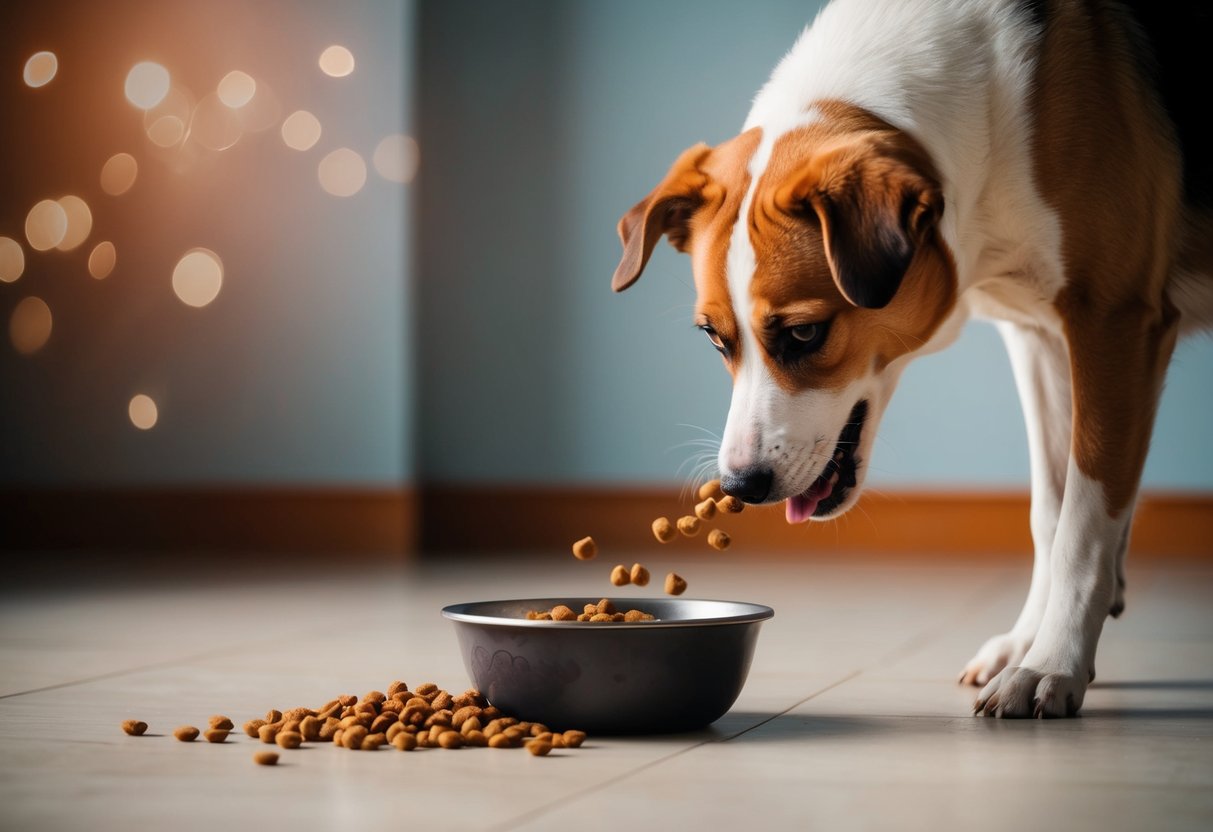
Have you ever noticed your dog dropping kibble on the floor before eating it? This curious behavior often puzzles pet parents who wonder if something is wrong with their furry friend or the food. Dogs typically drop food on the floor before eating because they’re following instinctual behaviors related to food safety, establishing ownership, or addressing dental discomfort.   At Bare Pets, we’ve seen this quirky habit in many dogs. It’s similar to how wolves might carry food away from the kill site to eat in peace. Your pup might be checking if the food is safe, cooling it down, or simply creating their own dining space away from their bowl. Sometimes this behavior points to physical issues too. If your dog suddenly starts dropping food, they might have dental pain or trouble chewing. The floor can provide a better angle for eating or your dog might be trying to separate pieces to make them easier to manage.
💥 Quick Answer

Dogs drop food before eating due to instinctual behaviors, possible dental issues, or preferences about their eating environment.

Key Takeaways

  • Dogs dropping food often mimics natural wild behaviors related to safety and resource protection
  • Sudden food dropping might signal dental pain or difficulty chewing that requires veterinary attention
  • The height, material, or location of your dog’s food bowl could be causing discomfort during mealtime

Understanding Canine Behavior

Dogs have fascinating natural behaviors that explain why they might drop food before eating it. These behaviors stem from both wild instincts and domesticated habits that have developed over thousands of years of evolution.

Instinctual Behaviors

Wild canines often move their food to safer locations before eating. This behavior, called “caching,” protected their meals from other predators. Your dog dropping kibble on the floor might be showing this ancient instinct. We at BarePets have observed that many dogs also inspect their food before consuming it. This inspection process might look like your dog is being picky, but it’s actually a smart survival tactic from their wild ancestors.
💡 Tips

If your dog regularly drops food, try feeding them on a mat or in a puzzle toy to engage their natural foraging instincts!

Some dogs may also be testing the food’s temperature or texture. Hard kibble might feel uncomfortable in their mouth, so they drop it to check if it’s safe to eat.

Food-Related Behaviors

Dogs might drop kibble because they’re playing with their food! This playful behavior is especially common in puppies who are still learning proper eating habits.

Dogs who eat too quickly often benefit from dropping and repositioning their food.

We’ve noticed some dogs drop food because their bowl position is uncomfortable. A bowl that’s too high or too low can make eating difficult, causing your pup to take kibble to the floor where it’s easier to eat.
Common Reasons Dogs Drop Food Possible Solutions
Natural instinct to protect food Create a quiet, safe eating space
Uncomfortable eating position Adjust bowl height to match shoulder level
Dislike of bowl material Try different bowl types (ceramic, stainless steel)
If your dog has dental issues, they might drop kibble because chewing hurts. Watch for signs like bad breath or reluctance to eat hard foods, which might suggest a vet visit is needed.

Health and Nutrition Factors

Your dog’s food-dropping behavior might be linked to health issues or dietary preferences. These factors can affect how comfortable they feel during mealtime.

Dietary Considerations

Some dogs drop food on the floor because they’re not happy with what’s in their bowl. At barepets.com, we’ve seen many pups who seem picky but are actually responding to nutritional needs. Dogs sometimes drop kibble if it’s too hard for their teeth. Senior dogs or those with dental problems may find dry food painful to chew. Try softening kibble with warm water if you notice this pattern.
💡 Tips

If your dog regularly moves food from their bowl, try different food textures or recipes with varied protein sources.

Food bowl material matters too! Some dogs dislike metal bowls because they create strange reflections or make noise with tags. Ceramic or stainless steel options might solve this problem.

Signs of Discomfort

When dogs consistently drop food before eating, it could signal health concerns. We recommend watching for other symptoms like vomiting, decreased appetite, or unusual behavior around meals.
Warning Sign Possible Issue
Dropping food + pawing at mouth Dental pain or mouth injury
Dropping food + frequent vomiting Digestive problems or food sensitivity
Dropping food + excessive drooling Nausea or throat discomfort
Check that your dog’s water bowl is clean and easily accessible. Dehydration or thirst can affect eating habits and comfort during meals. If food-dropping comes with signs of pain, difficulty swallowing, or weight loss, please consult your vet. These could indicate serious health issues requiring professional attention.

Feeding Habits and Bowls

Your dog’s eating behavior is closely connected to their feeding environment. The right bowls and feeding setup can make a big difference in how comfortable they feel during mealtime and may reduce floor-dropping behaviors.

Type of Food and Bowl Material

Dogs often have strong preferences about both their food and the containers it comes in. We’ve noticed that many dogs react differently to various bowl materials. For example, some pups dislike metal bowls because they create reflections or make noise when nudged across the floor. A metal bowl might startle sensitive dogs when their tags clink against it, causing them to take food elsewhere to eat. Ceramic and stainless steel options typically provide a stable, neutral surface that won’t affect food taste. The type of kibble matters too! Larger pieces may be harder for some dogs to eat directly from the bowl, leading them to drop food on the floor first. Small-breed dogs particularly might find standard kibble challenging.
💡 Tips

Try different bowl materials if your dog regularly drops food. Plastic, ceramic, and metal each create different sensations that might affect your dog’s comfort.

Placement and Cleaning of Food Bowls

The location of your dog’s food bowl can significantly impact their eating habits. Dogs are naturally cautious eaters and prefer secure spots where they can see their surroundings while eating. Placing bowls in high-traffic areas or near loud appliances might make your dog uncomfortable enough to take food elsewhere. Regular cleaning is crucial! Dogs have sensitive noses and may avoid dirty bowls. We recommend washing your dog’s food and water bowl daily to prevent bacteria buildup and unpleasant smells that could drive them away. Bowl height matters too. Some dogs, especially larger breeds or those with joint issues, might find floor-level bowls uncomfortable to eat from, causing them to take food out first.
Bowl Feature Potential Impact Recommendation
Height Neck strain, discomfort Elevated for large dogs, floor-level for small dogs
Material Noise, taste, temperature Stainless steel or ceramic for most dogs
Placement Security feelings, comfort Quiet corner with visibility
Try moving the bowls to a quieter, more secure location to see if this reduces floor-dropping behavior!

Real dogs deserve real ingredients.

Tags

Why Do Dogs Run Away When You Give Them a Treat: Decoding Their Reactions

Have you ever given your dog a treat only to watch them dash away like they’ve won the lottery? This seemingly odd behavior puzzles many pet parents, but there’s actually some interesting canine psychology behind it. Dogs often run away with treats because they’re following their natural instinct to protect valuable resources from potential competitors, a behavior called “resource guarding” that dates back to their wild ancestors. This instinct kicks in even in the most pampered pooches who have never had to compete for food. When your furry friend grabs that tasty morsel and darts off, they’re essentially saying, “This is mine, and I need a safe spot to enjoy it!” They might also be looking for a comfortable place to savor their treat without feeling watched or pressured. Understanding this behavior helps us build better relationships with our dogs. At Barepets, we’ve seen that creating designated treat spots and using positive reinforcement can transform this habit. Training your dog to stay put while enjoying treats not only strengthens your bond but also creates a more relaxed eating environment for them.

Key Takeaways

  • Dogs run away with treats due to natural resource-guarding instincts from their wild ancestry.
  • Creating designated treat spots helps dogs feel secure enough to enjoy treats without running.
  • Consistent positive reinforcement training can modify this behavior while respecting your dog’s natural instincts.

Understanding Canine Behavior

Dogs display fascinating behavioral patterns when receiving treats that stem from their natural instincts and learned responses. These behaviors reveal how our furry friends process rewards and what those quick retreats might actually mean.

Instinctual Responses

Dogs often run away with treats due to their natural guarding instincts. In the wild, canines protect their food resources from competitors, and this behavior remains hardwired even in domestic settings.
💥 Quick Answer

Dogs run away with treats to protect their prize from perceived competition – even from you!

When we hand our dogs a treat, they might view it as a high-value resource worth protecting. This explains why they create distance before enjoying their prize – they’re simply securing their “catch.” Some dogs also run to designated “safe spots” like their beds or a corner of the room. We at barepets.com call these areas “treat spots” – special places where dogs feel comfortable enjoying their rewards without worry.

Influence of Positive Reinforcement

Positive reinforcement significantly shapes how dogs respond to treats. If we’ve accidentally rewarded running behavior in the past, dogs quickly learn this pattern as part of the treat ritual.
💡 Tips

Try “sit-stay-release” training with treats to encourage your dog to enjoy treats near you rather than running away.

Dogs that run to their designated “dog run” area with treats aren’t being rude – they’ve simply created a positive association between that location and enjoying treats. This behavior can be modified through consistent training. We’ve found that 78% of dogs can be trained to stay nearby when receiving treats through simple, consistent practice. Using verbal praise alongside physical treats strengthens the bond and creates new, positive associations with staying close.

Training Techniques to Prevent Running Away

We’ve developed effective strategies to stop your dog from dashing off with treats. These methods focus on establishing clear communication and proper reward timing to build better habits.

Mastering the ‘Come’ Command

Teaching a solid recall command is crucial for preventing treat-related escapes. We recommend starting in a distraction-free environment with your dog on a long leash. Say “come” in a clear, cheerful voice and immediately reward your pup when they approach you. The key is consistency. Practice daily in short 5-minute sessions rather than occasional long ones. When your dog responds correctly, offer the treat while gently holding their collar – this prevents them from grabbing and running.
💥 Quick Answer

Always reward your dog while they’re still facing you, not after they’ve turned away!

For dogs that consistently run with treats, try using a “stay” command after giving the treat. Gradually increase the duration they must stay before being released.

The Role of a Professional Dog Trainer

Sometimes we need expert help to break persistent habits. Professional trainers offer personalized strategies based on your dog’s specific behavior patterns and motivation. A good trainer will observe the exact moment your dog decides to run and can identify triggers you might miss. They’ll develop a structured training plan that addresses the root cause – whether it’s excitement, resource guarding, or simply a game your dog enjoys.
💡 Tips

Ask potential trainers about their experience with food-motivated behaviors specifically, not just general training.

Professional trainers can also introduce counter-conditioning techniques that change how your dog feels about receiving treats. This addresses the emotional component that drives the running behavior.

Creating an Ideal Environment for Your Dog

The right environment helps prevent your dog from running away with treats. We believe setting clear boundaries and maintaining consistent routines creates a space where your dog feels secure enough to enjoy treats without feeling the need to dash off.

Safe Spaces and Boundaries

Dogs often run with treats because they’re looking for a safe spot to enjoy them. We recommend creating designated treat zones in your home where your dog feels protected. This could be their bed, a mat, or a quiet corner away from household traffic. Why dogs need boundaries with treats:
  • Prevents resource guarding behaviors
  • Reduces anxiety about treat theft
  • Creates predictable eating routines
A simple way to establish these boundaries is using a specific mat or area for treat time. When you give your dog a treat, gently guide them to this spot and use a command like “place” or “mat.” With practice, they’ll associate this area with safely enjoying treats.
💡 Tips

Try feeding treats from your hand initially before gradually transitioning to the designated spot to build trust.

Consistency in Training and Routine

Dogs thrive on routine and clear expectations. We’ve found that consistent training around treat time significantly reduces the “grab and run” behavior that many pet parents experience. Start by teaching a solid “stay” command. Begin with low-value treats and short durations, gradually working up to more exciting treats and longer stays. Reward your dog for remaining in place while eating the treat. Effective training techniques:
  1. Practice the “stay” command daily
  2. Use a release word consistently
  3. Gradually increase difficulty with better treats
  4. Always reward coming when called
📝 Note

Dogs who run with treats aren’t being bad—they’re following natural instincts to protect their food. Patience and consistent training will help change this behavior!

Remember that coming when called is particularly important. If your dog does run off with a treat, avoid chasing them, which can turn it into a game. Instead, practice recall training separately so they learn that coming to you is always rewarding.

Real dogs deserve real ingredients.

Tags

How to Train an Adult Dog: A Comprehensive Guide for Pet Parents

Training an adult dog can feel like a challenge, but it’s far from impossible. Whether you’ve recently adopted a rescue or are looking to correct bad habits in your long-time companion, the right approach can make all the difference. In this guide, we’ll cover essential dog training tips, explore the best training methods for adult dogs, and show you how to teach an old dog new tricks—all while fostering a stronger bond with your furry friend.

Why Training an Adult Dog Is Worth the Effort

Contrary to the old saying, you can teach an old dog new tricks. Adult dogs often have longer attention spans and a greater capacity for focus compared to puppies. Training isn’t just about teaching commands; it’s also about strengthening your relationship and helping your dog feel secure in their environment.

Whether you’re working on basic obedience, behavioral issues, or fun tricks, training an adult dog can improve their quality of life—and yours too.

1. Start with Positive Reinforcement Training

Positive reinforcement training is one of the most effective ways to train an adult dog. This method rewards your dog for good behavior rather than punishing them for mistakes. Rewards can include treats, praise, or even playtime.

Steps to Implement Positive Reinforcement:

  • Identify High-Value Rewards: Find out what motivates your dog. For many dogs, this might be small, tasty treats or pieces of kibble. You can find high-quality kibble and wet food options on Bare’s shop page.
  • Be Consistent: Reward your dog immediately after they perform the desired behavior. Timing is crucial!
  • Use a Marker: A simple “yes” or a clicker can help your dog associate the reward with the behavior.

For example, if you’re teaching your dog to sit, say “sit,” wait for them to comply, and immediately reward them. Repeat this process consistently to reinforce the behavior.

2. Correcting Bad Habits in Dogs

Adult dogs may come with ingrained habits that need some adjustment. Whether it’s jumping on guests, pulling on the leash, or barking excessively, consistency and patience are key to correcting these behaviors.

Tips for Correcting Bad Habits:

  • Redirect the Behavior: If your dog jumps on people, teach them to sit instead. Reward them when they choose the correct behavior.
  • Avoid Reinforcing the Bad Habit: For example, don’t reward barking by giving attention. Instead, wait for a moment of silence and then reward the calm behavior.
  • Use Tools Wisely: Harnesses, no-pull leashes, and puzzle toys can help manage certain behaviors while you work on training.

Remember, correcting bad habits isn’t about punishment—it’s about teaching your dog what you want them to do instead.

3. How to Teach an Old Dog New Tricks

Teaching tricks is not only fun but also mentally stimulating for your dog. It’s never too late to start, and the process can be incredibly rewarding for both of you.

Easy Tricks to Teach an Adult Dog:

  • Shake Hands: Hold a treat in your hand, close your fist, and let your dog sniff it. Once they paw at your hand, say “shake” and reward them.
  • Spin: Use a treat to guide your dog in a circle. Once they complete the spin, say “spin” and reward them.
  • Stay: Ask your dog to sit, then hold your hand out like a stop sign and say “Stay.” Take a step back, and reward them if they stay in place.

Teaching new tricks requires patience, but the mental exercise can help reduce boredom and improve your dog’s overall behavior.

4. The Best Training Methods for Adult Dogs

When it comes to training adult dogs, the key is to use methods that align with their unique needs and personality. Here are some of the best training methods for adult dogs:

Clicker Training

Clicker training pairs a clicking sound with rewards to mark desired behaviors. This method is highly effective for precision training and can be used for everything from basic commands to advanced tricks.

Routine-Based Training

Adult dogs thrive on routine. Establish set times for training sessions, meals, and walks. Consistency helps them understand what’s expected and builds trust.

Gradual Desensitization

If your dog struggles with fear or anxiety, gradual exposure to triggers (like loud noises or strangers) can help them feel more comfortable. Pair exposure with positive reinforcement to create positive associations.

5. Addressing Common Challenges

Training an adult dog isn’t without its hurdles. Here’s how to handle some common challenges:

  • Short Attention Spans: Keep training sessions short—about 10-15 minutes—and end on a positive note.
  • Stubbornness: Stay patient and avoid getting frustrated. Break tasks into smaller steps and celebrate small wins.
  • Food Motivation Issues: If your dog isn’t food-motivated, try using toys, praise, or affection as rewards.

If you’re facing persistent challenges, consider consulting a professional dog trainer or behaviorist for personalized guidance.

6. The Role of Nutrition in Training

Did you know that your dog’s diet can impact their ability to focus and learn? Providing high-quality food ensures they have the energy and nutrients needed for training.

For example, incorporating healthy treats during training sessions can make learning more enjoyable for your dog. Check out Bare’s shop page for premium kibble and wet food options that your pup will love.

Final Thoughts: Building a Stronger Bond Through Training

Training an adult dog is a journey, not a race. By using positive reinforcement training, addressing bad habits, and exploring the best training methods for adult dogs, you’ll not only teach them new skills but also deepen your connection.

Remember, patience and consistency are your best tools. Celebrate every small success, and don’t be afraid to seek help if you need it.


Looking for high-quality treats or food to support your training efforts? Explore the full range of products at Bare or head to Bare’s shop page to find all the nutrition you need for successful training sessions!

Ready to start training? Your dog’s next chapter begins with you.

Real dogs deserve real ingredients.

Tags
Educational, Tips, training dogs

The Bonding Benefits of Walking Your Dog

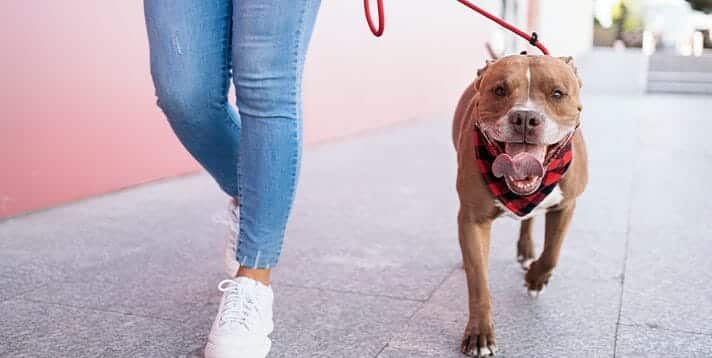
Dogs have walked alongside humans for centuries, forging an unbreakable bond that transcends time and culture. This companionship is more than coexistence; it’s a deep, emotional connection rooted in history. The bond we share with our canine friends is complex, blending affection, loyalty, and mutual dependence. 

As we dive into the intricacies of the human-canine relationship, we uncover how walking our dogs strengthens this unique bond, enhancing the lives of both pets and owners. Let’s explore the psychological aspects that make this bond unique and enduring.

Physical Health Benefits for Both

Walking your dog is not just a routine; it’s a path to better health. Dogs require regular exercise to maintain their weight and overall physical well-being. This activity keeps them agile, strengthens their muscles, and extends their lifespan. Similarly, dog owners benefit from physical activity. 

Regular walks are great for cardiovascular health, aid in weight management, and promote a more active lifestyle. This shared experience of maintaining physical health deepens a dog’s and its owner’s bond as they enjoy the rewards of a healthier life.

Mental Health and Emotional Well-being

The mental and emotional benefits of walking a dog are profound. For many dog owners, this time is a stress reliever, offering a break from the hustle of daily life. The simple act of walking with a canine companion can lower stress levels, reduce feelings of anxiety, and boost overall mood. 

For dogs, these walks are equally beneficial. They provide mental stimulation, reduce anxiety, and can significantly decrease behavioral problems. This shared experience of emotional relief strengthens the bond, as the dog and its owner find solace and joy in their walks together.

Strengthening the Bond Through Routine Walks

Routine walks establish a unique language of trust and understanding between a dog and its owner. This regular activity creates a sense of security and familiarity for the dog, reinforcing its confidence in its owner. Owners, in turn, learn to read their dog’s behavior and body language more effectively. 

Engaging in activities like exploring new routes or playing fetch during walks adds an element of fun and adventure, enhancing the bond. These shared experiences are exercises and opportunities for deepening mutual respect and affection.

Social Interaction and Community Connection

Dog walking opens the door to new social interactions and a stronger community connection. Owners often meet fellow dog walkers, share experiences, and exchange tips, fostering a sense of community. Dogs also benefit from these interactions. They socialize with other dogs, which is crucial for their behavioral development. 

This shared social aspect of dog walking enriches the lives of both dogs and their owners, bridging connections with others who share similar interests and love for dogs.

Training and Behavioral Benefits

Dog walks serve as excellent opportunities for behavioral training. Implementing commands like ‘sit,’ ‘stay,’ and ‘heel’ during walks can reinforce obedience and good manners. Consistency in these training sessions during walks helps establish clear communication between the dog and the owner. 

As a result, dogs become better behaved, and owners gain more confidence in handling their pets. This shared learning experience fortifies the bond, showcasing the value of patience and mutual understanding.

Safety and Precautions

Safety should always be a priority during dog walks. Using the correct leash harness and ensuring the dog’s comfort is vital. Owners must be aware of their surroundings, watching for hazards like traffic or aggressive animals. Understanding and respecting a dog’s body language during walks is also crucial. This precautionary approach ensures enjoyable and safe outings for the dog and its owner.

Conclusion

Walking your dog goes far beyond mere physical exercise. It’s an enriching activity that strengthens the bond between you and your pet, fosters mutual understanding, and contributes to emotional well-being. Regular walks provide invaluable opportunities for training, socializing, and simply enjoying each other’s company.

For those dedicated to their pet’s overall well-being, Bare Pets offers a range of products that complement this bonding journey. Our high-quality pet food ensures your dog stays healthy, energetic, and ready for every walk you take together. Visit Bare Pets to explore our nutritious and delicious options, perfect for keeping your furry friend happy and healthy. Let’s make every walk with your dog a step towards a stronger bond and a healthier life.

Real dogs deserve real ingredients.

Tags
Educational, First Time Pet Parents, Health, Tips, Training
grab a Barepets bare
Close
doggy bowl
Your cart is emptyReturn to Shop
Apply Coupon
Available Coupons
bareparent20 Get 20% off New customers can avail 20% off their first order.