
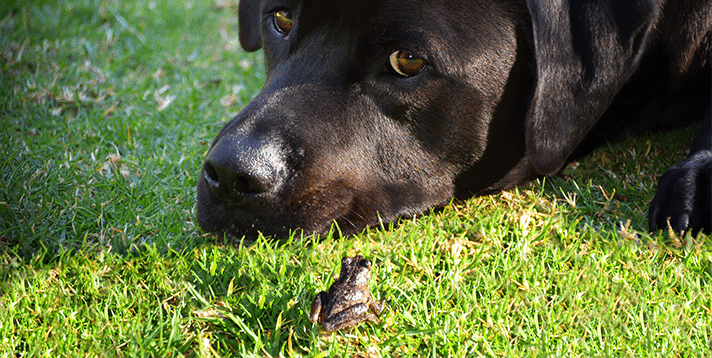
The Philippines, known for its rich biodiversity, houses various frog species.
Each species comes with its unique traits. While not all frogs are poisonous to dogs, a few can still pose life-threatening dangers. One key aspect that differentiates them is the presence or absence of toxins. While frogs in the Philippines do not produce batrachotoxin, this neurotoxin, found in certain poison dart frogs in Central and South America can cause paralysis, seizures, and heart failure in dogs when ingested.
Learning about the varieties of these amphibians, including their tell-tale danger signs and the toxins they produce, can help keep your furry friend safe. By understanding the different frog species, you’re better equipped to protect your pet from potential threats.
Key Takeaways:
- Immediate vet care is critical after exposure, time is life-saving.
- Not all frogs are toxic, but Cane Toads and Dart Frogs in the Philippines can be lethal to dogs.
- Watch for symptoms like drooling, seizures, and vomiting.
- Use training commands, avoid marshy areas, and supervise your dog outdoors.
The Rich Diversity of Philippine Frogs
The Philippines shelters a wide array of amphibians, from the commonly-seen toads hopping in our gardens to the more colorfully spotted rarer types that live near bodies of water.
These frog and toad species add to the country’s biodiversity and play crucial roles in local ecosystems. Each unique species, however, has their specific habits and traits. Some are nocturnal, others prefer particular habitats, and a select few can harm dogs.
Batrachotoxin: The Dangerous Venom
Not all frogs produce toxins, but those that do often produce batrachotoxin from their skin. This toxin can be extremely life-threatening to dogs when ingested.
Immediate effects include intense drooling, foaming at the mouth, vomiting, seizures, and paralysis. Prolonged exposure or significant ingestion can even prove fatal. Recognizing the symptoms early and seeking swift veterinary care can make all the difference.
Identifying Threatening Frog Species
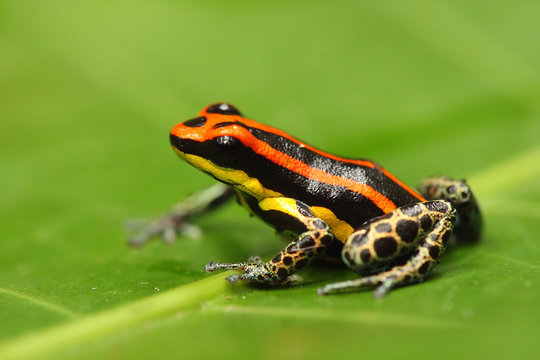
Cane Toads stand out as the most toxic frog species in the Philippines. Their bufotoxins can trigger life-threatening symptoms within minutes of contact. The Dart Frog, specifically, sports bright colors like yellow, blue, or green and can grow up to 14 centimeters in length. These vibrant colors often signal danger in the animal kingdom. Meanwhile, an adult Cane Toad can kill an average-sized dog in 15 minutes.
Preemptive Measures: Keeping Dogs Safe from Frogs
The best way to deal with potential threats is often to prevent the encounter in the first place. Since dogs naturally get curious outdoors, certain strategies can help ensure they don’t engage with harmful frogs. Pet owners can significantly decrease potential poisoning risks by understanding their environment and adapting behaviors.
Training Dogs for Outdoor Safety
A dog’s behavior can be shaped with adequate training. Teaching commands like “leave it” or “stay” can be useful when you spot potential dangers, such as a suspicious-looking frog or wandering toad. Reward-based methods, where good behavior earns them treats, pets, rubs, or something as simple as praise, often yield the best results. Start this training early, and soon, your dog will avoid chasing or ingesting foreign objects outside.
You can pair behavior training with positive reinforcement. A supplement like Bare Balance offers calming support and nutrient boosts for active or anxious pups.
Choosing Safer Play Areas
While you can’t always control every environment, you can pick safer places for your dog’s outdoor activities. Familiarize yourself with the local frog populations and their habitats. Avoid taking your dog near rice paddies, marshes, or ponds where harmful frogs may reside. Regular parks or open fields are typically safer bets, especially those frequented by other dogs.
Immediate Response to Frog Encounters
Even with precautions, encounters may still happen. Learning the necessary steps is crucial if your dog gets too close to a frog or toad. Immediately remove your pet from the area and monitor them for any unusual behavior. If there are any poisoning symptoms—like sudden drooling or weakness—rush to a vet immediately. Quick action can be a lifesaver.
Some toxins may trigger digestive or neurological distress. Products like Good Gut can be useful as a follow-up recovery aid, though always prioritize emergency vet care.
Recognizing the Red Flags: Symptoms of Frog Poisoning in Dogs

Awareness is key. By recognizing the appearances of these poisonous species, as well as knowing the early signs of frog poisoning, you can act quickly to either remove your dog from the scene or get your dog the medical attention they need. Symptoms vary based on the amount of toxin ingested and the dog’s size, but some common indicators stand out.
Severe Reactions: When It’s Critical
Neurologic symptoms such as tremors, seizures, or paralysis can appear within 5 to 15 minutes of toxin exposure. However, in some cases, toxins from a Cane Toad can kill an average-sized dog in as fast as 15 minutes. Many dog deaths annually are actually attributed to the Cane Toad.
According to Green Cross Vets, the Cane Toad’s toxin is rapidly absorbed through the mouth and gums, with potentially fatal outcomes if not treated swiftly, including:
- Sudden aggression
- Confusion or disorientation
- Difficulty walking and/or breathing
- Tremors and seizures
- Vomiting and diarrhea
- Hypersalivation or drooling
- Dilated pupils or eye flicking
- Abnormal heart rhythm
- Inflamed mouth, tongue, or throat
- High-pitched vocalizations
- Collapse or loss of consciousness
Safety Precautions for Pet Owners

Pet owners must stay one step ahead in a world teeming with curious critters. The Philippines, with its diverse frog population, presents unique challenges. But with some foresight and preparation, you can ensure your canine companion’s safety.
Outdoor Supervision
Keeping a watchful eye on your dog while you’re both outside can make all the difference. Frogs often inhabit wet areas, like ponds or marshes. If your dog loves exploring these spots, especially if you live close to such areas, it’s all the more reason to stay alert. By supervising their outdoor adventures, you can intervene before any potential frog encounters escalate.
Training and Discipline
It’s in a dog’s nature to be curious, but this trait can sometimes lead them into trouble. You can teach your pet to steer clear of potential dangers with consistent training. Reinforcing commands like “leave it” or “stay” can prevent them from approaching smaller venomous animals or consuming poisonous creatures, including frogs.
Conclusion
Frogs and dogs may share an environment, but they don’t always mix well.
With the threat posed by species such as the Cane Toad and Dart Frog, caution is paramount. As pet owners, our pets’ safety rests in our hands. We can protect our dogs from potential dangers by staying informed, supervising outdoor play, and committing to training.
Discover more pet safety tips and share your experiences with our community. Follow us on social media and stay updated with our blog for more insights!